
DIABLO 4 : LORD OF HATRED - A MUCH TOO LATE INTRODUCTION AND SPECULATION
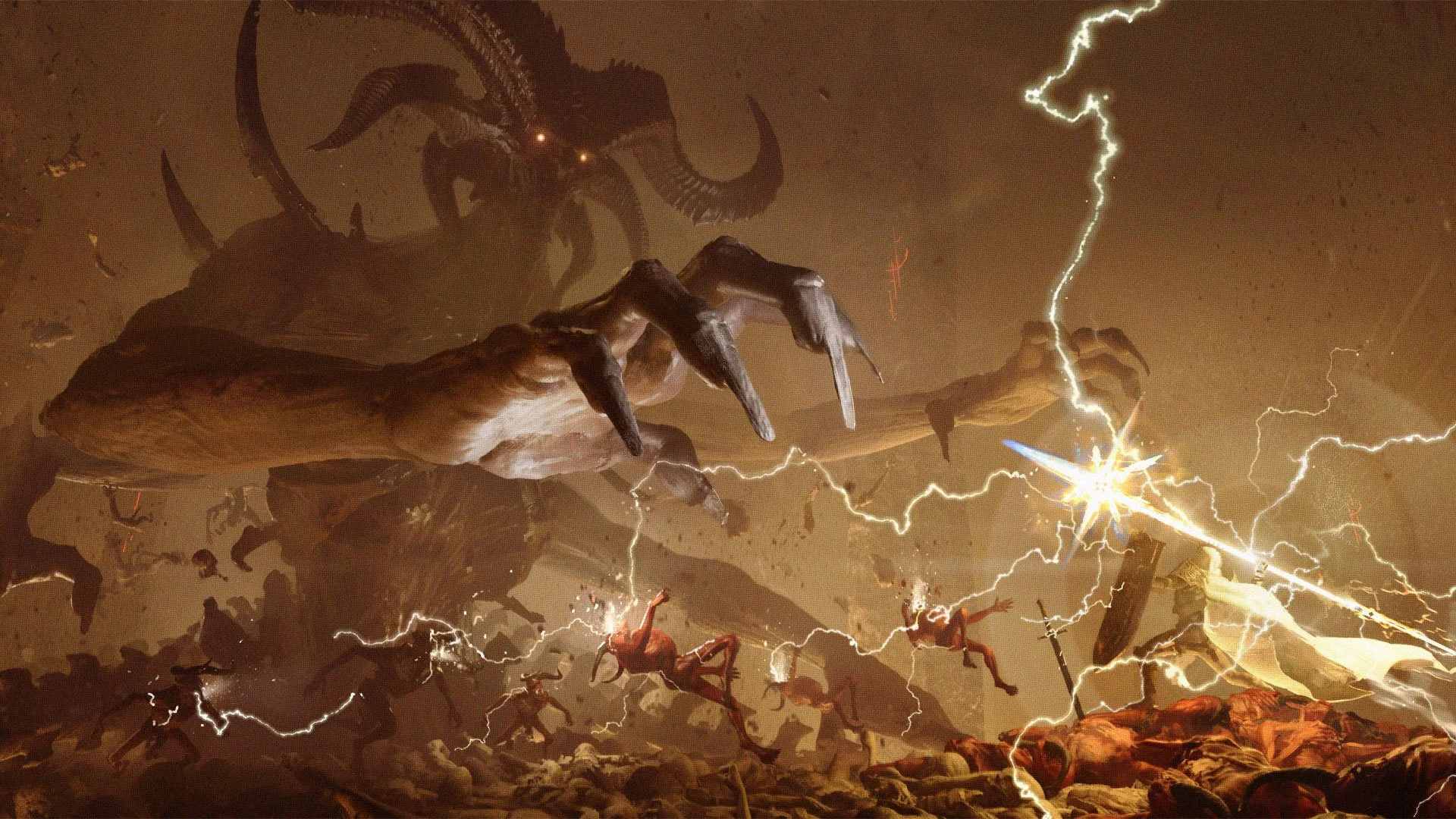
Diablo IV: Lord of Hatred — A New Era of Hatred
With Diablo IV: Lord of Hatred, Blizzard has delivered its most transformative update since launch—and arguably since Diablo III’s Reaper of Souls. Releasing on April 28, 2026, the expansion brings a full campaign continuation, sweeping system reworks, and two new playable classes, alongside Season 13: “Season of Reckoning”, a deliberately pared‑down season designed to let the expansion’s changes take center stage. Rather than leaning on a flashy seasonal gimmick, Blizzard is aiming to use the Lord of Hatred expansion to redefine how Diablo IV plays at a foundational level—impacting leveling, itemization, endgame progression, and buildcrafting across every class - lets talk about it!
The Expansion at a Glance:
Lord of Hatred is Diablo IV’s second premium expansion, continuing the saga of Mephisto following the events of Vessel of Hatred. Players travel to Skovos, a myth‑laden island region tied to the origins of humanity and the Amazon culture, as the Lord of Hatred makes his most direct move yet to corrupt Sanctuary.
The expansion introduces:
A new campaign (roughly 8 hours)
Two new playable classes: Paladin and Warlock
A complete Skill Tree overhaul
New endgame systems including War Plans, Echoing Hatred, and the return of the Horadric Cube
A reimagined itemization and crafting loop tied to Talismans
These additions make this content feel less like an add‑on and more a “soft reboot” of Diablo IV’s core structure.
Season of Reckoning:
Launching alongside the expansion, Season 13: Season of Reckoning breaks from Diablo IV tradition by not introducing a new seasonal mechanic or unique gameplay loop. Instead, Blizzard intentionally scaled the season back so players could focus on learning the expansion’s new systems without distraction.
What Season of Reckoning does include:
Seasonal characters and progression
A Season Journey and Battle Pass
Leaderboard and Tower beta updates
Balance changes aligned with the expansion’s redesigns
Major System Changes:
Skill Trees and Leveling:
Every class in Diablo IV received a substantial Skill Tree rework, expanding branching choices and reducing dead nodes. The level cap has been increased, Torment difficulties extended, and skill synergies now play a much larger role in defining viable builds.
Endgame: War Plans and Echoing Hatred:
The new War Plans system gives players agency over their endgame grind. Instead of chasing random activities, players can specialize progression paths and modifiers, shaping how they earn rewards. Echoing Hatred serves as a high‑difficulty stress test for optimized builds, replacing brute‑force scaling with mechanical pressure.
Loot, Crafting, Talismans, and itemizaton changes:
Talismans introduce set‑like bonuses without locking players into rigid gear sets
Uniques are no longer fixed—can now be modified and tempered
The Horadric Cube returns as a crafting and experimentation system
A long‑requested Loot Filter finally arrives
The Warlock: Diablo IV’s New Class
The headline addition for many players is the Warlock, a brand‑new class making its first appearance in Diablo IV with Lord of Hatred.
Class Identity and Resources:
The Warlock is a hybrid caster‑summoner, built around mastering Hell itself rather than serving it. The class uses a dual‑resource system:
Wrath for core spellcasting
Dominance for summoning and empowering demons
Mastery comes from sequencing abilities rather than raw reaction speed, making the Warlock one of the most mechanically complex classes in the game.
Soul Shards and Playstyles:
At level 15, Warlocks unlock Soul Shards, their class mechanic, binding a Greater Demon that defines their playstyle. Four archetypes are available:
Legion – Swarm‑based demon summoner
Vanguard – Frontline demon‑form bruiser
Mastermind – Shadow‑focused control and debuff specialist
Ritualist – Hellfire and abyssal spellcaster
Fragments unlocked later further modify these shards, creating one of Diablo IV’s deepest customization systems yet.
Strengths and Weaknesses:
Warlocks excel at:
Area denial and battlefield control
High skill‑ceiling damage
Flexible summoner or caster builds
Their tradeoff is survivability—Warlocks are powerful but punishing to play without proper planning and resource management.
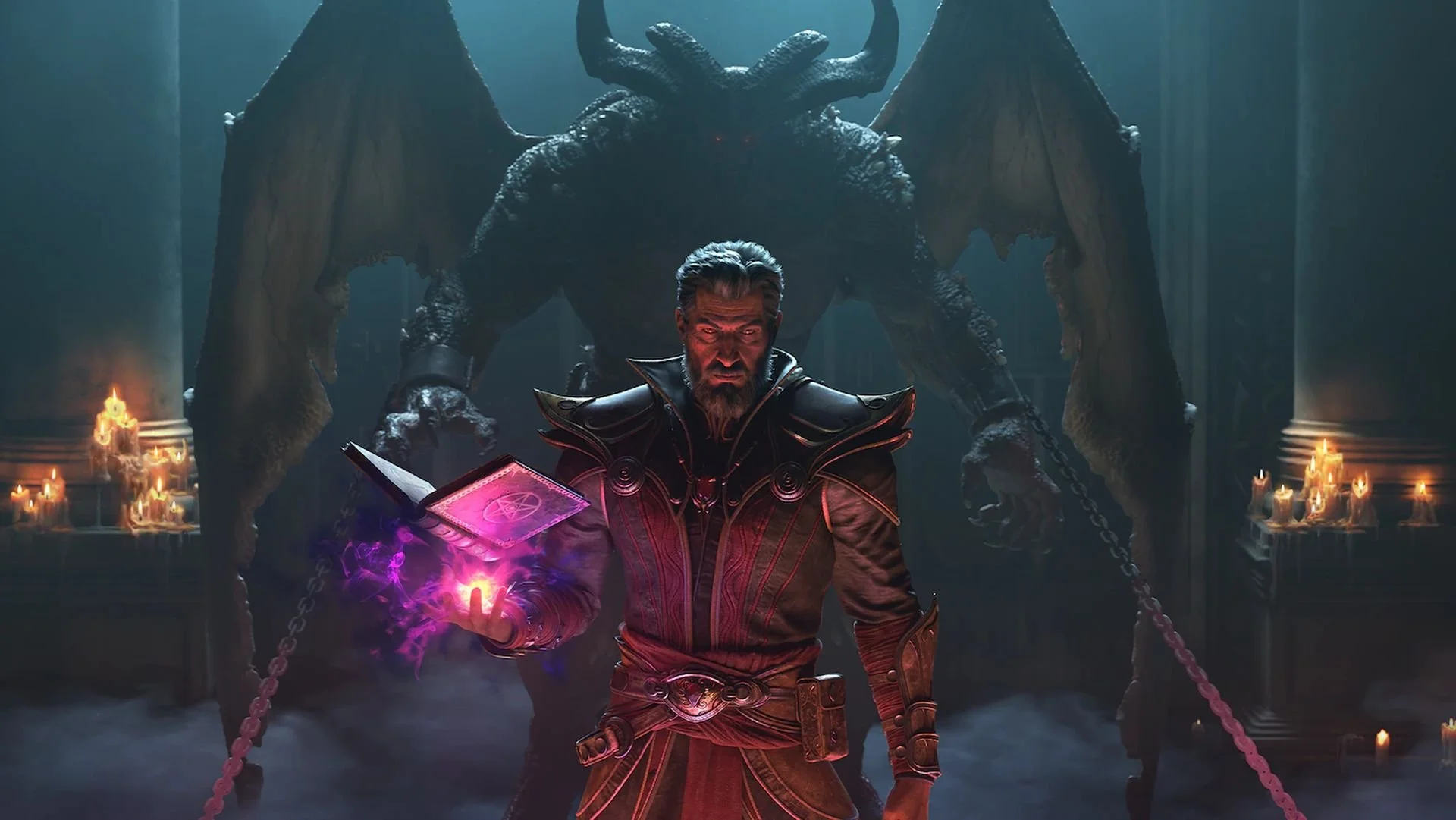
Final Thoughts: The direction Diablo IV needed, and my plans
Lord of Hatred represents Blizzard’s clearest statement yet on Diablo IV’s future. Instead of stacking short‑lived seasonal “borrowed power”, the game is finally leaning into permanent, meaningful systems that reward experimentation and long‑term mastery.
Whether you’re here for the Warlock’s playstyle complexity, the Paladin’s full return, or a revamped endgame that respects your time, Lord of Hatred feels less like an expansion and more like Diablo IV finding its true identity.
Now, lets talk about some of my personal plans…everyone has probably seen my crazy ramblings about my support Druid build (check that out in this write up from a while back) - well the Paladin has come out since my time in Sanctuary, and there’s some pretty cool ideas for a full support build on maxroll.gg for them, which i really want to check out, you know how I am about my support builds! My calendar stays packed but looking forward to spending more time in D4 soon!
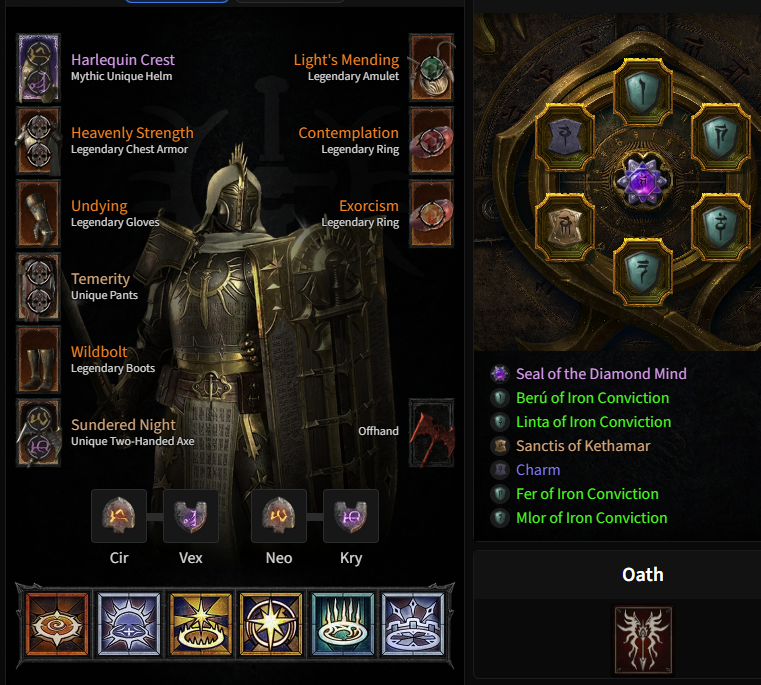
Here’s that support build! Click the image to check out the full write up on Maxroll!