SATURDAY, MARCH 14TH - MASTER AND APPRENTICE CAMPAIGN 1 : SESSION 8 RECAP ; PART 1
ALDORS JOURNAL - ENTRY 8
To the wastes of the north, and away from the wastes of the south…
We left Mirabar with more reluctance than I expected. Stone walls and familiar trade roads have a way of burrowing into one’s sense of safety, even when that safety is borrowed and temporary. Still, duty — and curiosity — pulled us north. We boarded a caravan bound for Goodmead, the first of the Ten Towns of Icewind Dale, and with that decision crossed a threshold that felt less like distance traveled and more like leaving one world behind for another.
Our caravan master was Alec, son of Goodmead’s Speaker — a capable man with weathered gear and the look of someone who learned early that leadership is less about command and more about endurance. During the long days through the Spine of the World, he filled the silence with stories of the frozen wastes ahead.
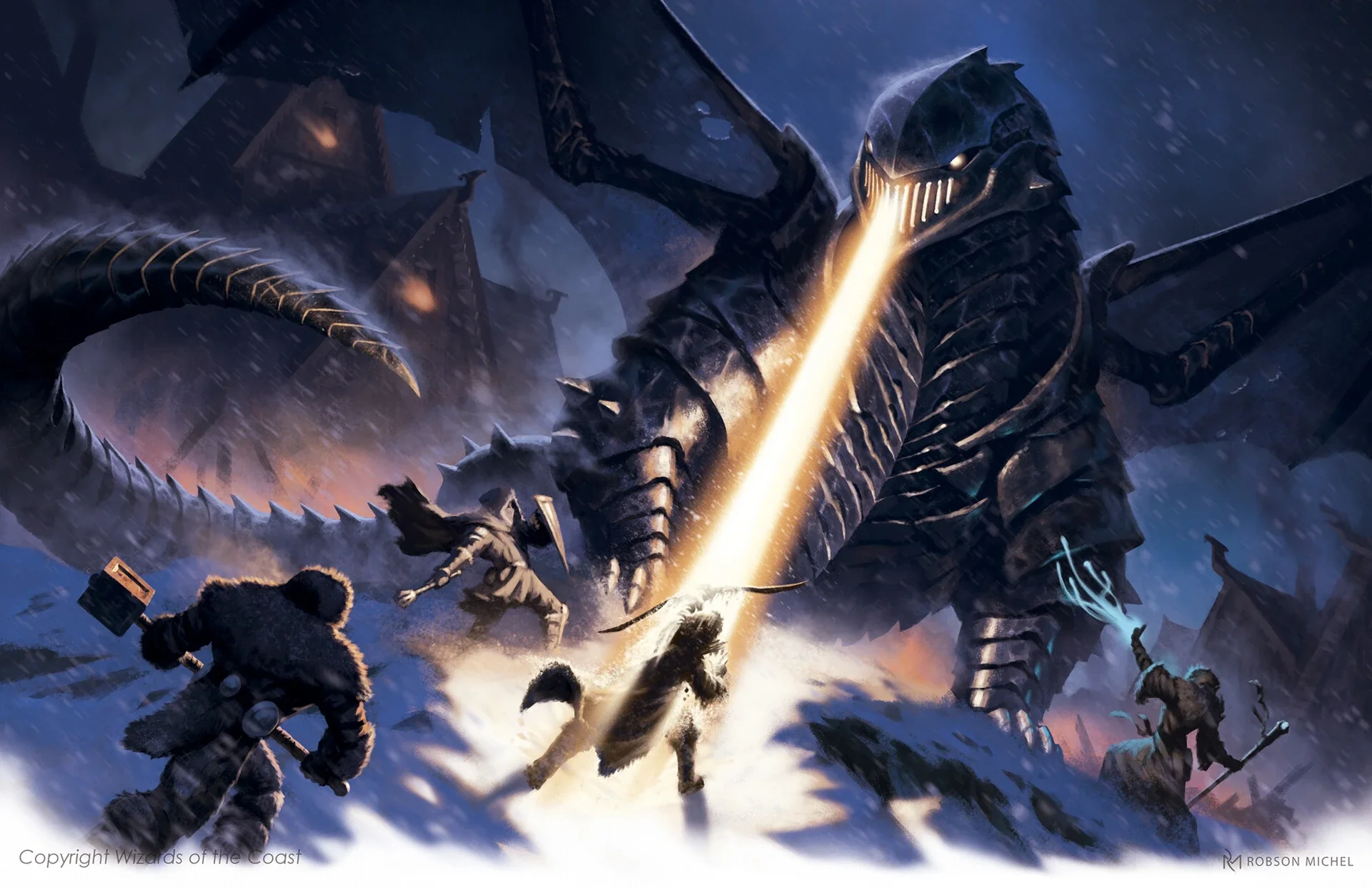
Some tales were warnings dressed as legends. Chief among them was the White Death — an ancient dragon said to patrol the western coast, making passage into Icewind Dale by sea all but impossible unless one is exceptionally brave, exceptionally foolish, or exceptionally well-armed. Alec spoke of it not with awe, but with the resigned respect of someone who knows that certain forces simply exist, indifferent to the plans of mortals.
He spoke as well of commerce — survival disguised as trade. Goodmead’s namesake brew is said to be the finest in all Faerûn, a small warmth exported far beyond these cold borders. Then there is the Knucklehead Trout: good eating, yes, but far more valuable for their bones. Hard as iron and prized for scrimshaw, their carved forms fetch incredible prices south of the mountains. Even here, art finds a way to thrive — chipped from hardship rather than marble.
As the caravan pushed onward, talk inevitably turned to the dark history of this land. There was a time when Auril ruled these wastes through fear and winter alike, cutting Icewind Dale off from the rest of the world. Through domination of the duergar tribes and the horror of a chardalyn dragon, she kept the Ten Towns frozen in more ways than one. Hope came, as it so often does, in the form of unlikely heroes — the so‑called Lightbringers. Among them was a cleric of Lathander, a local son of Goodmead. Alec spoke his name with reverence.
I had a feeling we would meet him.
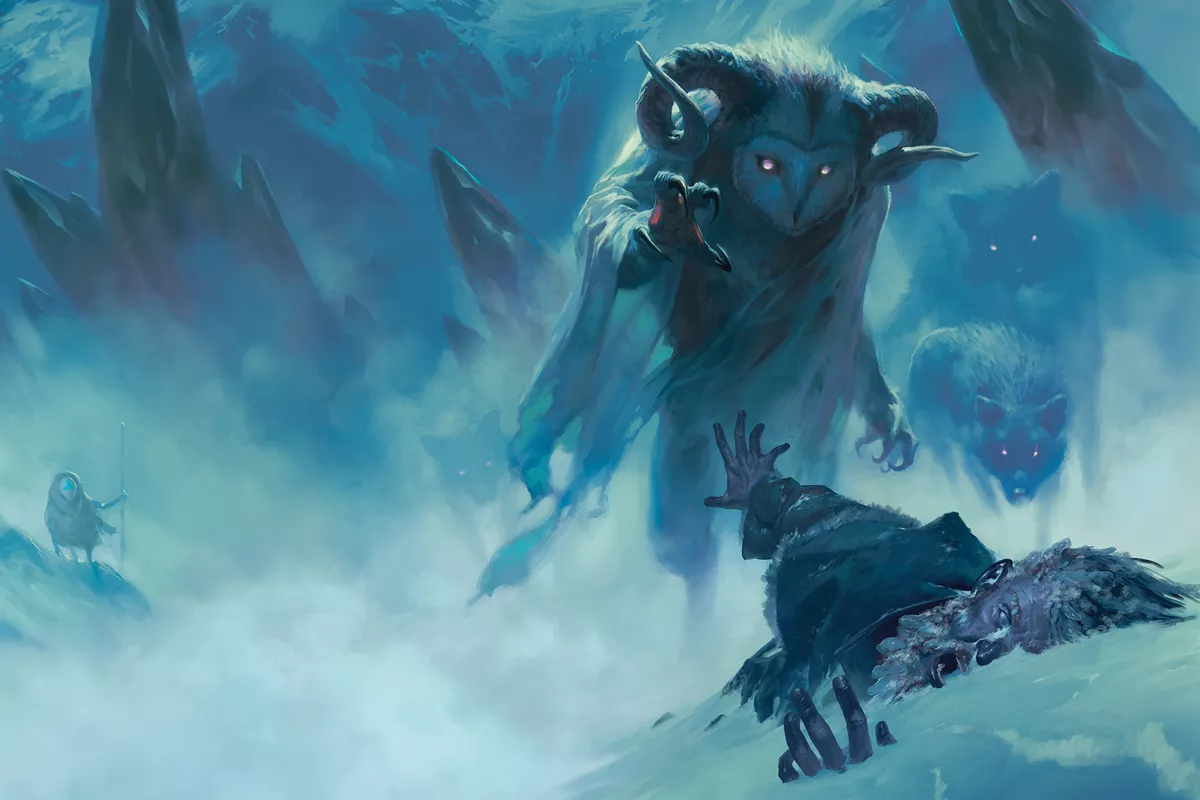
The land itself confirmed that we were no longer somewhere ordinary. Wildlife here bears the marks of change — massive elk, towering beyond anything I’ve seen south of the Spine, their antlers sprawling and luminous. Even the beasts feel different, reshaped as if Icewind Dale itself were testing the limits of living things. For someone like me — raised among the gray stone and ordered streets of Neverwinter — it was unsettling. Beautiful, perhaps, but alien in a way cities never manage to be.
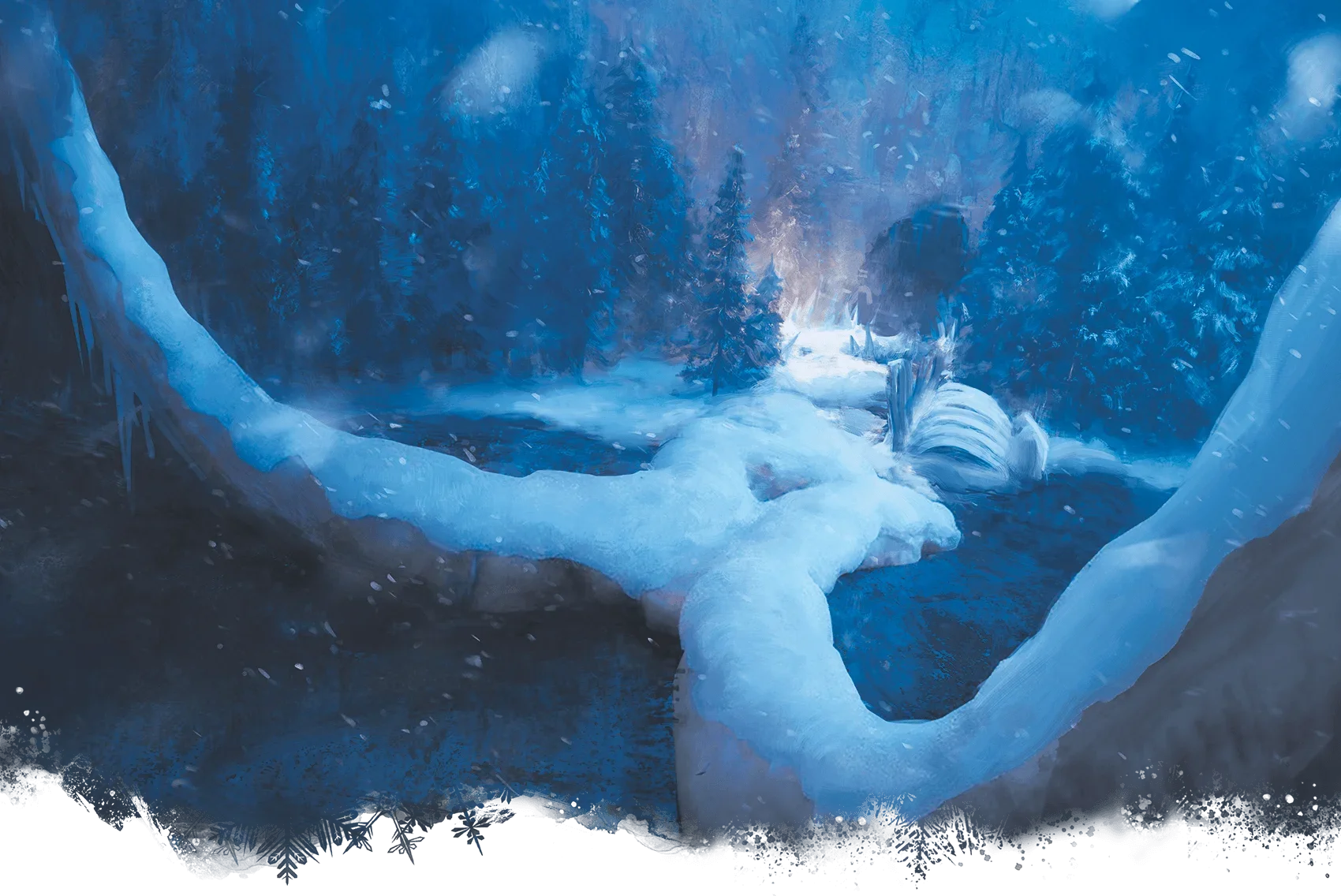
We followed the Red Run, crossing a narrow bridge where the river below was locked in ice. On the frozen expanse glided the masted ships of fishermen, working in the surface, harvesting life from beneath death’s veneer. Watching them, I found myself thinking that this work seemed harder than many of the adventures I’ve survived. Monsters at least announce themselves. Winter does not.
After what felt like a month — though I suspect it was less — Goodmead finally rose from the white horizon. The caravan’s arrival was met with cheers and relieved smiles. The town itself was small, its streets traced by well‑worn paths and lit by oil lanterns that struggled valiantly against the dark. There were no walls. That struck me immediately.
Instead, the buildings told another story. Much of Goodmead appeared newly constructed — odd for one of the older towns of the Ten Towns. We said nothing, but the implication was clear enough. Recovery leaves fingerprints everywhere. Cade noticed something else: stone circles placed deliberately throughout the town. At a glance, they looked like simple fire pits — but he recognized them for what they were. Signal fires. Goodmead may lack walls, but it is not unprepared.
Despite its isolation, supplies were plentiful. We soon learned why. Trade with the nearby duergar still flowed — an arrangement born from mercy rather than convenience. When Auril fell, many of the dark dwarves were hated as collaborators, but the Lightbringer cleric had argued that they were victims too. So trade endured, tenuous but alive. They live only five days’ travel from here.
I couldn’t help but wonder if they still possess chardalyn.
That cursed substance has a way of threading itself through too many tragedies to ignore. Alec explained what little is known: its first appearance as a ship’s masthead dredged from a frozen lake. The man who touched it went mad. A speaker had it locked away. Later, dwarves found it deep beneath the mountains — only to expel it when their king claimed it whispered nothing, unlike other metals. Legends say the Uthgardt wolf tribe found it next, and their infamous battle‑rage followed soon after.
Chardalyn remembers things. Or perhaps it teaches them.
With history pressing heavily on my thoughts, we finally sought warmth in Goodmead’s mead hall. Laughter greeted us, then music, then tankards as generous as the welcome. The people noticed us as strangers — and then, just as quickly, chose to treat us as friends. For a time, it almost felt like belonging.
Then the door opened.
Cold air cut through the hall like a frozen spear, extinguishing conversation as surely as a snuffed candle. A hooded figure stood framed by frost and night. When he lowered his hood, recognition passed through the room like a held breath released.
Cullen. The Lightbringer.
And I suspect our time with him, and the “Lightbringers” has only begun….
This is where the (former) crew of Odds and Ends leaves for now, the boys and I will see you soon in…The Maze