WHY TURN-BASED GAMES MATTER (AND NO, NOT JUST BALDUR’S GATE III)
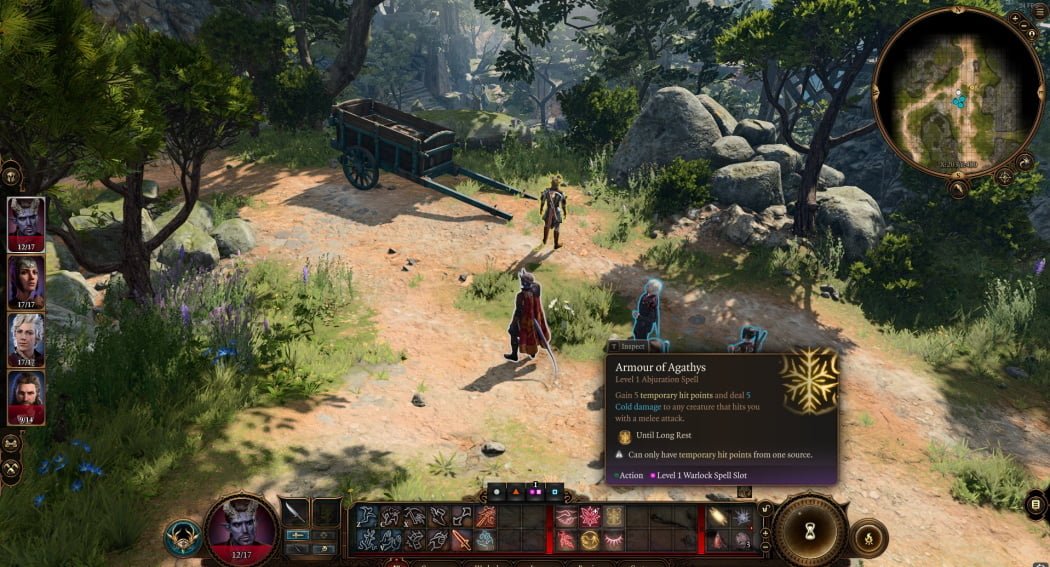
In a gaming world dominated by fast-paced, competitive, and visually flashy titles, I think it’s still incredibly important to sit down and play a turn-based RPG with your friends. And no—this isn’t just about Baldur’s Gate 3.
As I’ve gotten older and my friend group has become more diverse, I’ve realized how difficult it is to find a single game—or even a single genre—that everyone can enjoy together. That’s assuming you can even find a game that supports more than a couple of players cooperatively. Then come the other questions:
Does everyone like the setting?
Does the game take hours before it gets fun?
Is it $70–$80 up front with a pile of microtransactions or expansions?
Or is it great, but lacking long-term content?
Finding a game that clears all of those hurdles feels harder than ever.
When Baldur’s Gate 3 launched, it genuinely shifted how many people viewed turn-based RPGs. Players who had written the genre off entirely suddenly became fans. It didn’t matter if you were a D&D veteran, a tabletop player, a long-time RPG fan, or someone who mainly plays Call of Duty—if you tried the game, odds are you had a great time.
And yes, the praise is deserved. The writing is excellent. The graphics are gorgeous. The combat mechanics feel deep and satisfying. Almost every character is fully voiced. The world feels alive, reactive, and endless at first glance. There are seemingly countless ways to approach situations, interact with companions, and shape your story.
All of that makes Baldur’s Gate 3 one of the best games of my generation—which is saying something, because a lot of great games have come out in that time.
But there’s one thing about it that doesn’t get talked about enough.
Turn-based RPGs—and by extension tabletop games and board games—all share a defining feature: they’re turn-based (shocking I know). That alone is enough to turn some players off. I’ll admit, when I first heard Baldur’s Gate 3 was turn-based, I wasn’t thrilled.
I usually gravitate toward fast-paced action RPGs or competitive games like Counter-Strike or Deadlock. Turn-based combat sounded slow by comparison.
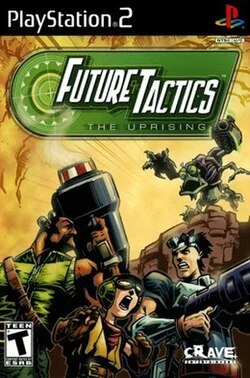
What changed my mind was remembering a small game my dad and I picked up years ago from a bargain bin at GameStop: Future Tactics.
Why Turn-Based Games “Stick With You”
Future Tactics was a turn-based game about human survivors fighting back against an alien invasion. It was my first real exposure to turn-based gameplay—not just in video games, but as a concept.
There was something addictive about waiting for your turn, lining up the perfect move, and then watching the enemy counter it which forced you to rethink everything on the fly. I still remember specific characters, moments where a risky strategy paid off, and the feeling of pulling off a clutch maneuver that turned the tide.
So when Baldur’s Gate 3 kept popping up everywhere, that memory came back to me. I realized I hadn’t really given a turn-based RPG a fair shot in years.
I’m glad I did—because Baldur’s Gate 3 ended up being one of the best gaming experiences I’ve ever had.
Accessibility Is the Secret Weapon
What really kept me coming back, though—and what made it work so well with my friend group—was how accessible it was.
In most multiplayer games, I naturally fall into a “team morale” role. I like making sure everyone feels useful and included. But in high-pressure, fast-paced games, there isn’t much room for that. You’re too busy reacting, executing, and trying not to fall behind.
Turn-based RPGs are different.
Being able to pause between actions and talk through decisions with your teammates changes everything. It gives newer players time to ask questions. It allows experienced players to explain why a certain move works. That explanation becomes a lesson in real time, without anyone feeling talked down to.
In our Baldur’s Gate 3 sessions, nobody felt like the weak link. Nobody felt like they were dragging the group down. Everyone felt like they belonged—and that they were contributing.
That, to me, is the hidden strength of turn-based games.
A Quiet “Renaissance”
Since then, I’ve played more turn-based games like Wartales and revisited classics like Divinity: Original Sin 2. I’m excited for what comes next—even beyond Baldur’s Gate.
It honestly feels like we’re entering a renaissance for turn-based RPGs. Not long ago, the only ones on my radar were games like XCOM or campaign play throughs in the Total War franchise. Now it feels like every time I look around, there’s a new and genuinely interesting turn-based game releasing.
And that’s exciting.
Games Worth Checking Out
If you’re looking for recommendations, some great places to start include:
Baldur’s Gate 3
Expedition 33
Divinity: Original Sin 2
Wartales
Civilization Series
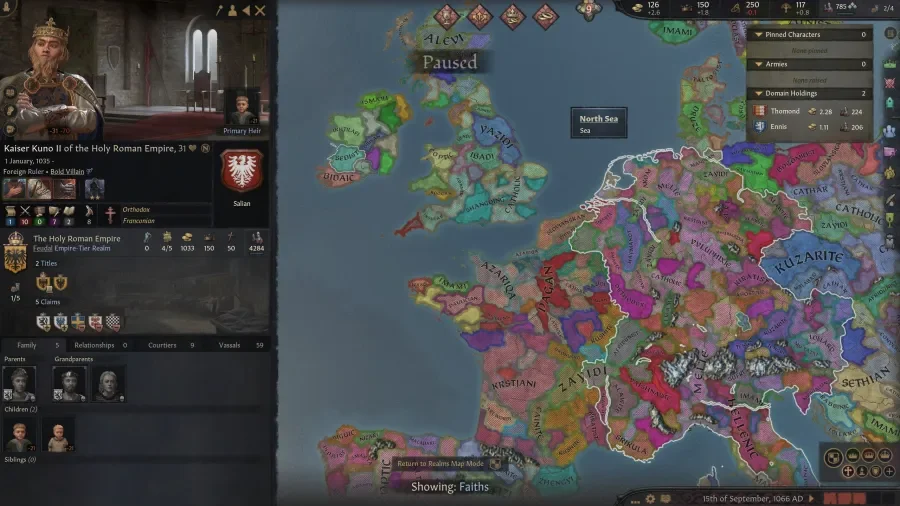
Crusader Kings III
There are also newer titles like the highly regarded Alien : Dark Descent (the only thing that’s kept me from that is its single player but otherwise it looks phenomenal) and games like Sunderfolk and the new Demeo X D&D crossover game that show how much room the genre still has to grow.
What I’d Love to See Next
If I have one wish for the future, it’s a turn-based RPG with deeper procedural elements—something that adds long-term replayability beyond story choices and mods.
Baldur’s Gate 3 is incredible, but after multiple playthroughs—good, evil, different classes—you eventually hit a natural endpoint. Procedural dungeons, evolving encounters, or rotating challenges could give games like this even more staying power.
Final Thoughts
If you and your friends are struggling to find a game where everyone feels welcome, impactful, and engaged—regardless of skill level—I genuinely think turn-based games are worth your time right now.
They offer depth without exclusion, strategy without stress, and cooperation without chaos.
If you’ve got turn-based games you love, feel free to comment below or drop them in the Discord. I’m always looking for the next one to sink my teeth into.
Until then—happy gaming.
See you next turn!