IS GAMING IMPLODING? XBOX, BETHESDA, AND WHAT THE FUTURE OF GAMING IS SHAPING UP TO BE
What's going on, everybody?
Today I want to talk about gaming, and what honestly feels like the slow decline of the gaming industry over the last few years.
By now, most people have heard about the major changes happening at Xbox. Between layoffs, restructuring, and shifting priorities, the company has been making some difficult decisions. Whether you agree with those decisions or not is a separate discussion, but from my perspective, Xbox has been on a downward spiral for quite some time. There simply haven't been enough standout exclusives or must-play titles coming from that side of the market.
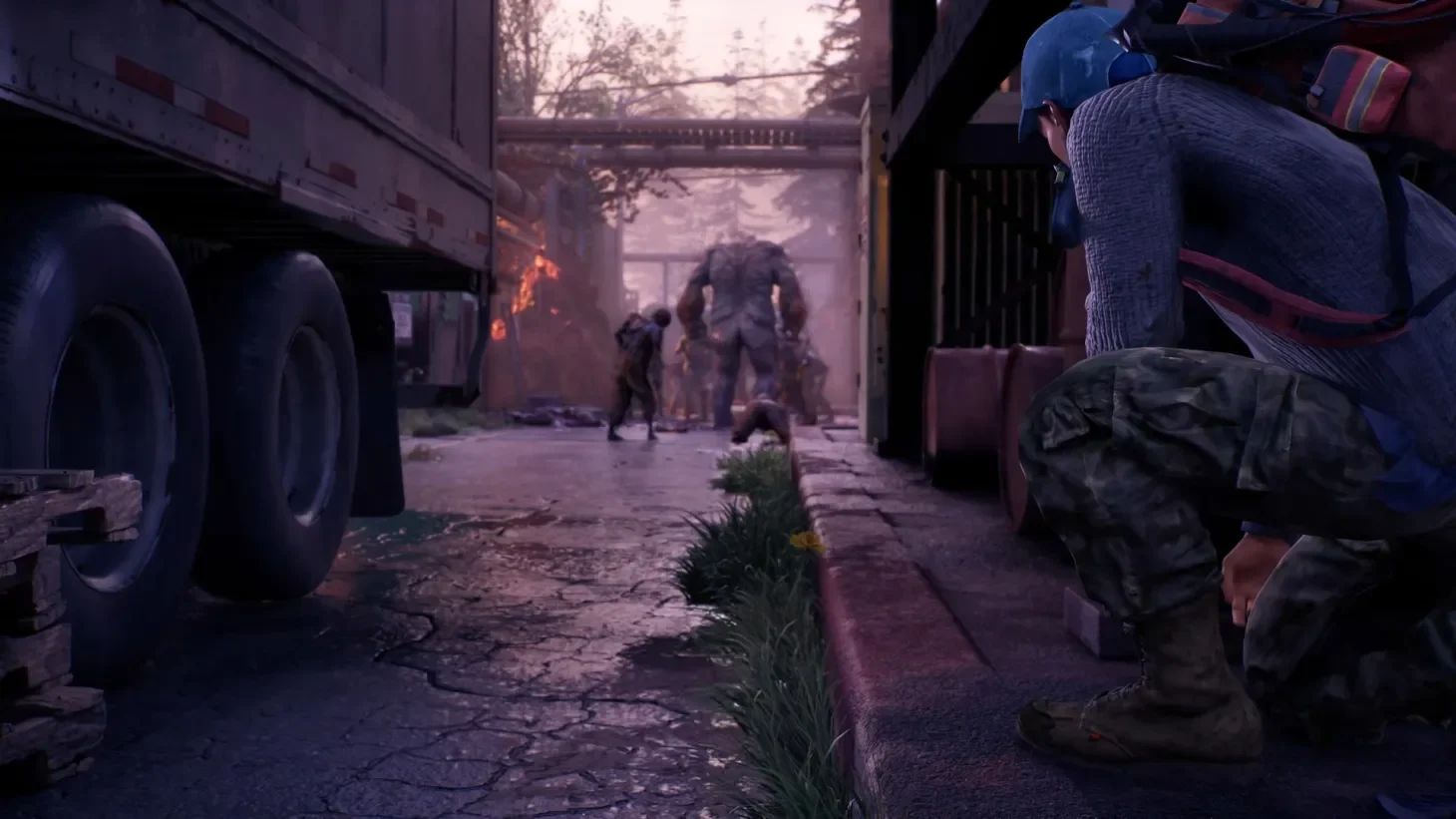
One of the most surprising developments was hearing about the uncertainty surrounding Undead Labs, the developers behind the State of Decay series. If you're not familiar with the franchise, State of Decay is, in my opinion, one of the best zombie survival games released in recent memory.
What makes it special is that it focuses less on mindlessly shooting zombies and more on the people trying to survive. Yes, there are zombie hordes to fight, but the real heart of the game lies in resource management, community building, and survivor relationships. You're dealing with hostile groups competing for resources, interpersonal disputes within your settlement, and the emotional weight of searching for loved ones in a fallen world.
Those themes feel far more realistic than fighting endless waves of zombies.
State of Decay 2 became one of my favorite games of the past decade. I still revisit it from time to time, and I've been eagerly awaiting State of Decay 3. The thought that Xbox nearly let that project slip away—or potentially lose the studio behind it altogether—feels like a major warning sign about where the company currently stands.
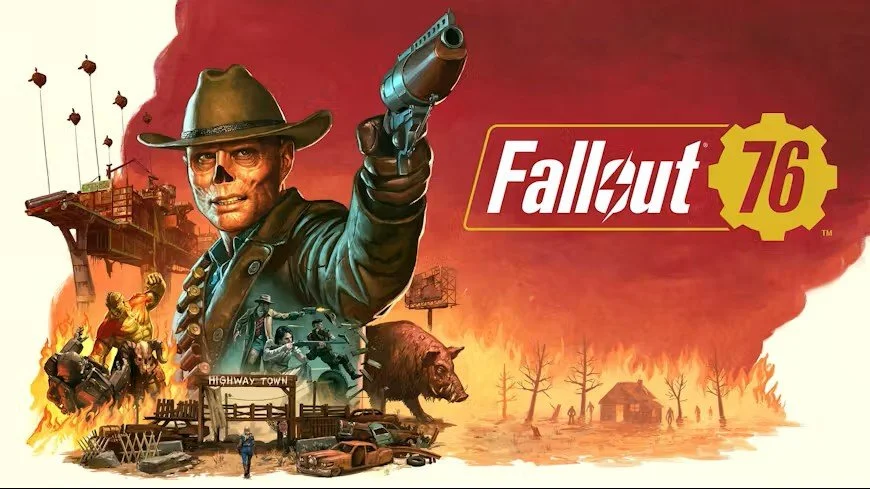
Recently, we also heard reports that Xbox leadership pushed Bethesda to accelerate plans for the next Fallout title, reportedly involving Obsidian Entertainment, the studio behind Fallout: New Vegas. Whether that ultimately proves successful remains to be seen, but it raises a larger question: Why does it take Bethesda so long to release sequels?
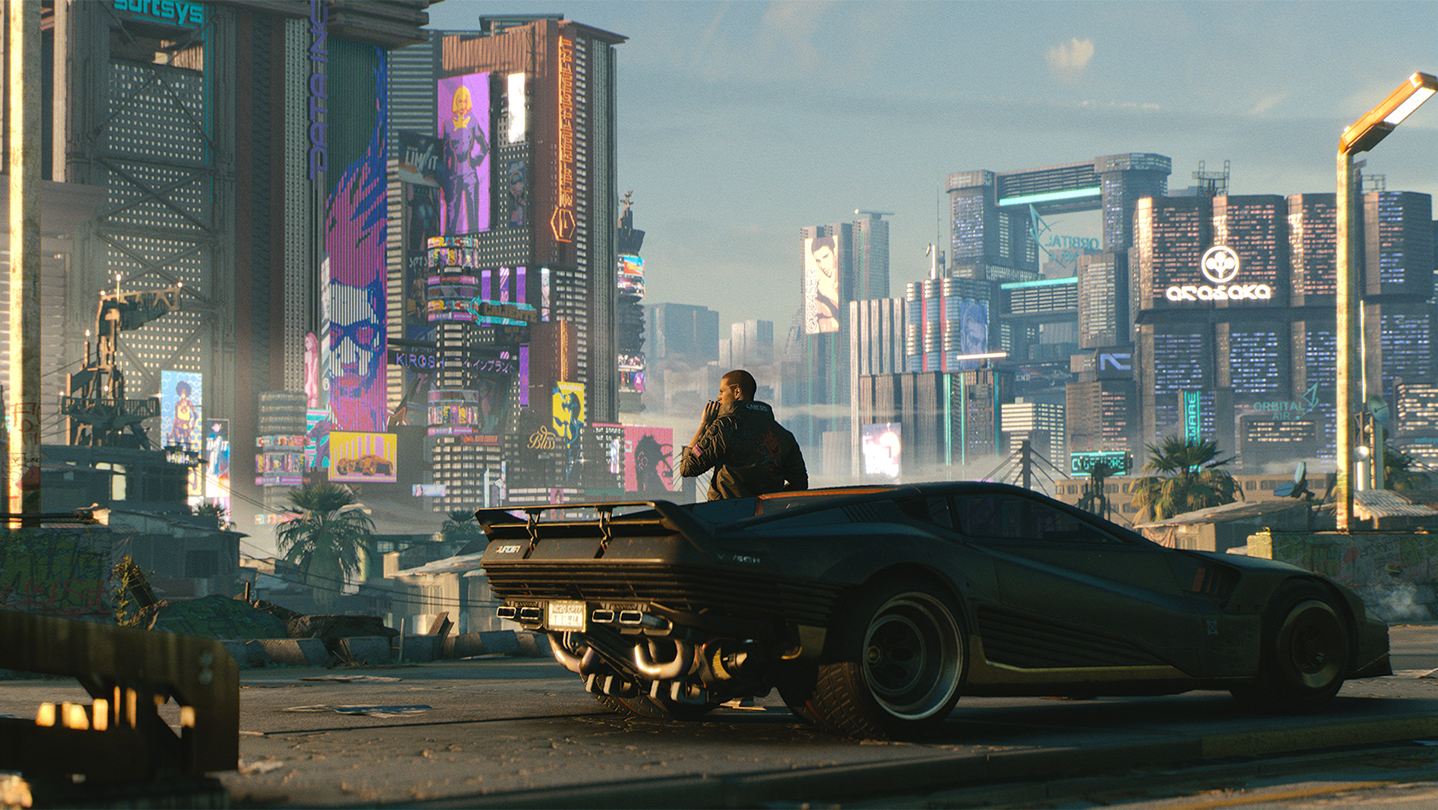
When you look at companies like CD Projekt Red, which continues supporting games such as Cyberpunk 2077 while simultaneously developing future entries in its major franchises, it's hard not to wonder why Bethesda's development cycles stretch so far into the future.
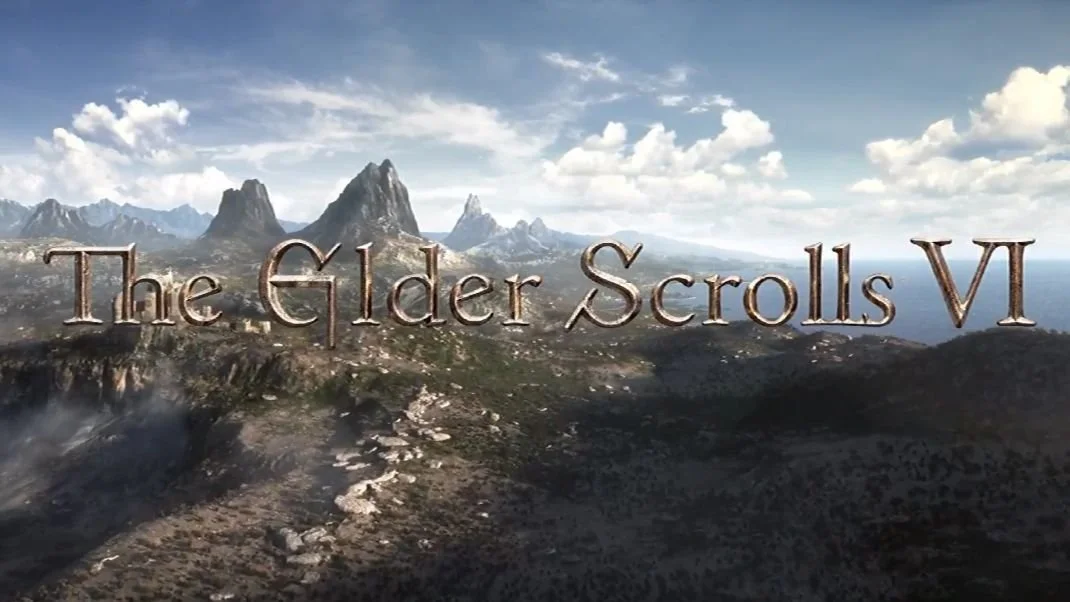
By the time The Elder Scrolls VI finally launches, Skyrim will be well over a 15 year old—possibly approaching two decades depending on the timeline. At some point, that's simply too long for fans to wait between entries in flagship franchises.
I think Xbox, while struggling, under their new leadership is finally recognizing something that many gamers have been saying for years: its biggest intellectual properties need to perform, and actually release, again.
Fallout, The Elder Scrolls, Halo, and other major franchises should be defining the gaming landscape. Instead, many of them feel dormant, underutilized, or dependent on outside media. Honestly, part of me wonders whether Fallout 76 would still have the same relevance today if the Fallout television series hadn't reignited interest in the franchise.
I've also heard discussions about staffing changes affecting teams supporting both Fallout 76 and The Elder Scrolls Online, currently the two most actively maintained games within those universes. If those reports prove true and ongoing content slows down significantly, it could accelerate the decline of both IPs.
The bigger issue, though, extends far beyond Xbox or Bethesda.
Gaming feels like it's been steadily drifting toward a mobile-first culture. Players increasingly gravitate toward games they can access anywhere, while traditional console and PC releases now have to be exceptional to capture widespread attention.
I understand why.
Most people only have time to invest in a handful of games. Naturally, they want those games to be meaningful experiences. The challenge is that truly great games don't arrive very often.
If I had to point to a few of the last major gaming phenomena, I'd probably say Helldivers 2, Clair Obscure, and Elden Ring. All of which captured the internet's attention, generated constant conversations, and felt like a genuine cultural event. They transcend being "just another game" and become events that define a moment in gaming history.
Which brings me to the question I have for all of you:
What Does Gaming Look Like in Five to Ten Years?
Ten years ago, I probably would have predicted exactly what we're seeing today:
Live-service games
Subscription-based models
Seasonal content
Long-term platforms instead of annual sequels
And to some extent, that's exactly what happened.
Yet many of those models seem to be struggling. Gamers have shown signs of subscription fatigue, live-service fatigue, and battle-pass fatigue. The future may not be as straightforward as many publishers once believed.
Part of me thinks we're heading toward an increasingly mobile future.
You can already see the shift happening through devices like the Steam Deck, Nintendo Switch, and PlayStation Portal. For years, handheld systems were considered novelty devices compared to consoles and PCs. Now, they are very nice companion pieces at least, and year by year they become primary gaming platforms in their own right.
I think the days of everyone owning a massive gaming tower or dedicating an entire room to a console setup may eventually fade. Instead, we'll see powerful handheld devices become the norm.
Modern phones, tablets, and handheld gaming systems are already capable of running experiences that would have seemed impossible a decade ago. People are playing full-featured games on devices that fit into a backpack—or even a pocket.
That's honestly mind-blowing when you stop to think about it.
I was also recently looking at one of Netflix's newer interactive gaming experiences. It incorporates horror elements and uses your phone as a flashlight as part of the gameplay experience. Concepts like this remind me of the old Kinect days on Xbox, where gaming wasn't confined to a traditional controller and the tech is actually finally catching up to make that reality very real.
Imagine booting up Netflix on your television, selecting a game included with your subscription, and immediately using your phone as the controller. No console. No downloads. No expensive hardware.
Just play.
That feels like a realistic glimpse into where gaming could eventually go.
Whether that's a good thing or a bad thing remains to be seen.
But if the past few weeks have shown us anything, it's that gaming is changing rapidly—and some of its biggest companies are still trying to figure out what comes next.
What do you think gaming will look like in the next five to ten years? Are we headed toward a future dominated by handheld devices and subscription services, or is there still a place for traditional consoles and PCs? Let me know in the comments or on our Discord!
Later on…